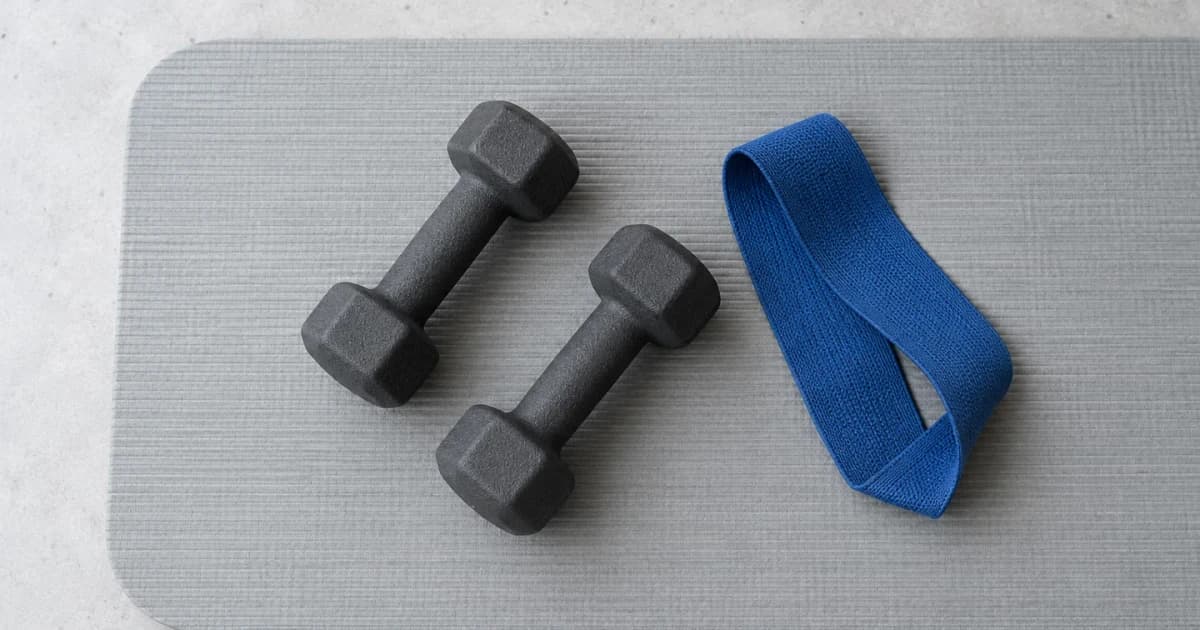
Muscle and GLP-1 treatment: nutrition, strength and daily function
Weight loss can include changes in lean tissue. Daily strength, adequate nutrition and a tolerable activity plan are more useful targets than claims that one supplement prevents every loss.
GLP-1 Brands & Reviews
- #1
CoreAge Rx
Editorial score: 9.8/10
CoreAge Rx offers clinician-reviewed compounded weight care. Compare the annual offer from $79/month for semaglutide or $129/month for tirzepatide with the full payment, dispensing details and refund conditions.
Semaglutide from $79/mo · Tirzepatide from $129/mo
Published
- Online prescribing and pharmacy fulfillment
- Dated first-party sources in the review
Questions to resolve
- Confirm full medication and care cost
- Verify local eligibility and ongoing support
- #2
SuperHealthy Rx
Editorial score: 9.6/10
SuperHealthy Rx advertises compounded semaglutide at $85/month and tirzepatide at $135/month, with a provider visit and shipping included. Confirm the current offer, billing term and state eligibility.
Semaglutide: $85/month advertised · Tirzepatide: $135/month advertised
Published
- Online prescribing and pharmacy fulfillment
- Dated first-party sources in the review
Questions to resolve
- Confirm full medication and care cost
- Verify local eligibility and ongoing support
- #3
Likeness Rx
Editorial score: 9.4/10
Likeness Rx offers online access to compounded semaglutide and tirzepatide. Its public page lists semaglutide from $79/month; tirzepatide from $129/month.
Semaglutide from $79/month · Tirzepatide from $129/month
Published
- Online prescribing and pharmacy fulfillment
- Dated first-party sources in the review
Questions to resolve
- Confirm full medication and care cost
- Verify local eligibility and ongoing support
- #4
Henry Meds
Editorial score: 9.3/10
Henry describes cash-pay plans bundling visits, medicine, supplies and ongoing care. Its multi-month cancellation terms can differ from its monthly plans.
Complete current quote needed
Published
- Telehealth and weight care
- Dated first-party sources in the review
Questions to resolve
- Confirm full medication and care cost
- Verify local eligibility and ongoing support
- #5
Hims
Editorial score: 9.1/10
Hims currently publishes a weight-loss membership with approved product options and medication billed separately. Older compounded-only descriptions do not capture its current offer.
Membership, medicine extra
Published
- Telehealth and weight care
- Dated first-party sources in the review
Questions to resolve
- Confirm full medication and care cost
- Verify local eligibility and ongoing support
Publisher preference scores. Comparison method and commercial relationships.
At a glance
- Lean mass measurements are not identical to skeletal muscle or physical function.
- Use resistance activity that fits ability and joint health.
- Creatine evidence in exercise does not establish a GLP-1-specific treatment guarantee.
Measure what matters for daily life
Body-composition tools estimate different components and are affected by hydration and method. A reported change in lean mass should not automatically be described as the same change in muscle strength.
Discuss walking, lifting, balance, fatigue and ability to perform ordinary tasks. Preserving function matters particularly in older adults or people already limited by illness.
Sources: NIDDK: prescription medications for weight managementNIH: dietary supplements for exerciseCDC: physical activity
Start with a sustainable movement plan
Progressive resistance activity can support strength, while aerobic activity contributes to cardiovascular fitness. The starting level should fit pain, mobility and medical conditions; physiotherapy can be useful when joint problems limit exercise.
An improvement in knee symptoms alongside weight loss is not proof that a medicine regenerates cartilage or replaces osteoarthritis care.
Sources: NIDDK: prescription medications for weight managementNIH: dietary supplements for exerciseCDC: physical activity
Nutrition and supplements serve different roles
Reduced appetite can make adequate nutrition difficult. Ask for an individualized protein and energy plan rather than universal targets, especially with kidney disease.
Creatine has evidence in some exercise settings, but a branded GLP-1 product does not establish specific protection during treatment. The NIH exercise-supplement review describes evidence and cautions; supplementation should fit the person and training plan.
Sources: NIDDK: prescription medications for weight managementNIH: dietary supplements for exerciseCDC: physical activity
Sources and review boundaries
Source check dates are listed below. First-party pages support descriptions of a service’s public offer; medical references support the educational context. They do not establish an independent clinical audit of a provider. This is general education, not personal medical advice; no named licensed clinical reviewer has reviewed this article.
- NIDDK: prescription medications for weight managementMedical or regulatory source · Source reviewed ·
- NIH: dietary supplements for exerciseMedical or regulatory source · Source reviewed ·
- CDC: physical activityMedical or regulatory source · Public reference; local capture limited ·
Related Articles
The Anti-Inflammatory Diet: Science-Based Eating for Better Health
An anti-inflammatory diet is a description of a food pattern, not a single validated cure or a need to buy branded products. Compare the actual ingredients, dietary variety and the health outcome being claimed.
Berberine Review: Is It Really "Nature's Ozempic"?
Calling berberine nature’s Ozempic blurs a supplement and a prescription medicine. The nickname does not demonstrate equivalent exposure, benefits, quality or safety.
Creatine on a GLP-1: Does It Help Preserve Muscle?
Creatine has exercise-related evidence, but preventing GLP-1-related muscle loss is not a guaranteed outcome. The training plan and medical suitability come first.
Choosing Electrolytes for GLP-1 Users
Electrolytes are situational. Review sodium, potassium, sugar and the reason for fluid loss, particularly with kidney or heart disease.
Choosing Fiber Supplement for GLP-1 Constipation
Gradual fiber introduction can help ordinary dietary intake, but prolonged constipation, pain or vomiting requires more than a powder recommendation.
Choosing Multivitamin for GLP-1 Users
A GLP-1-specific label does not prove superiority over a standard product. Match ingredients to diet, risk and any deficiency identified by the clinician.
By Chief Medical Correspondent. Original publication date was not recorded. Updates are recorded when content changes.