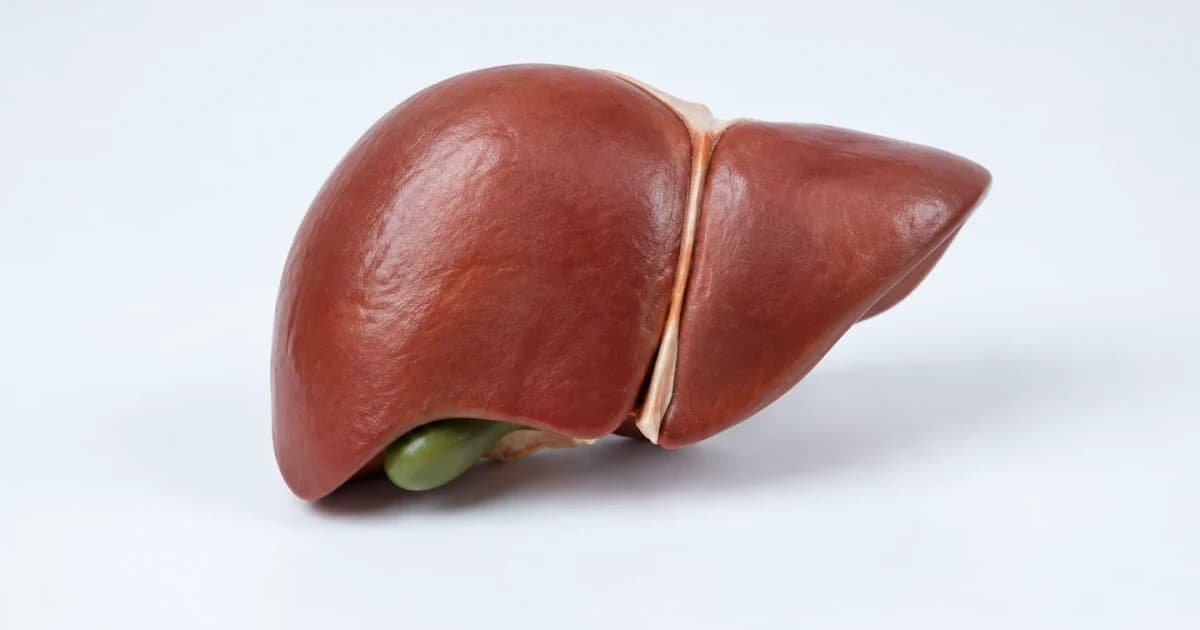
Choosing GLP-1 Options for Fatty Liver Disease
Fatty liver, MASH and advanced liver disease are different clinical situations. Wegovy’s current label includes a specific MASH indication, so an older statement that every GLP-1 use is investigational needs correction.
GLP-1 Brands & Reviews
- #1
CoreAge Rx
Editorial score: 9.8/10
CoreAge Rx offers clinician-reviewed compounded weight care. Compare the annual offer from $79/month for semaglutide or $129/month for tirzepatide with the full payment, dispensing details and refund conditions.
Semaglutide from $79/mo · Tirzepatide from $129/mo
Published
- Online prescribing and pharmacy fulfillment
- Dated first-party sources in the review
Questions to resolve
- Confirm full medication and care cost
- Verify local eligibility and ongoing support
- #2
SuperHealthy Rx
Editorial score: 9.6/10
SuperHealthy Rx advertises compounded semaglutide at $85/month and tirzepatide at $135/month, with a provider visit and shipping included. Confirm the current offer, billing term and state eligibility.
Semaglutide: $85/month advertised · Tirzepatide: $135/month advertised
Published
- Online prescribing and pharmacy fulfillment
- Dated first-party sources in the review
Questions to resolve
- Confirm full medication and care cost
- Verify local eligibility and ongoing support
- #3
Likeness Rx
Editorial score: 9.4/10
Likeness Rx offers online access to compounded semaglutide and tirzepatide. Its public page lists semaglutide from $79/month; tirzepatide from $129/month.
Semaglutide from $79/month · Tirzepatide from $129/month
Published
- Online prescribing and pharmacy fulfillment
- Dated first-party sources in the review
Questions to resolve
- Confirm full medication and care cost
- Verify local eligibility and ongoing support
- #4
Henry Meds
Editorial score: 9.3/10
Henry describes cash-pay plans bundling visits, medicine, supplies and ongoing care. Its multi-month cancellation terms can differ from its monthly plans.
Complete current quote needed
Published
- Telehealth and weight care
- Dated first-party sources in the review
Questions to resolve
- Confirm full medication and care cost
- Verify local eligibility and ongoing support
- #5
Hims
Editorial score: 9.1/10
Hims currently publishes a weight-loss membership with approved product options and medication billed separately. Older compounded-only descriptions do not capture its current offer.
Membership, medicine extra
Published
- Telehealth and weight care
- Dated first-party sources in the review
Questions to resolve
- Confirm full medication and care cost
- Verify local eligibility and ongoing support
Publisher preference scores. Comparison method and commercial relationships.
At a glance
- Confirm the diagnosis and fibrosis stage rather than relying on a liver-enzyme result alone.
- The Wegovy MASH indication is product-specific and subject to the label’s conditions.
- Advanced disease requires coordinated specialist care.
Begin with the liver diagnosis
MASLD refers to metabolic dysfunction-associated steatotic liver disease. MASH includes inflammatory liver injury; fibrosis describes scarring. These distinctions matter because an effective weight-management medicine is not automatically an appropriate treatment for every liver stage.
A hepatology team may use blood tests, imaging and other assessments to establish severity and monitor change. A generic online weight questionnaire cannot substitute for that evaluation.
Sources: Wegovy prescribing informationNIDDK: prescription medications for weight management
Read the current indication
The current Wegovy prescribing information describes treatment of noncirrhotic MASH with moderate to advanced fibrosis in adults under accelerated approval. Read the exact population, limitations and follow-up requirements in the current label.
Do not transfer this indication to oral semaglutide, another GLP-1 product or a compounded preparation without the corresponding evidence and authorization.
Sources: Wegovy prescribing informationNIDDK: prescription medications for weight management
Care continues beyond the initial weight change
Discuss how the liver condition, diabetes, cardiovascular risk and nutrition will be followed together. Avoid advice that turns a complex condition into a simple choice of the cheapest subscription.
Sources: Wegovy prescribing informationNIDDK: prescription medications for weight management
Sources and review boundaries
Source check dates are listed below. First-party pages support descriptions of a service’s public offer; medical references support the educational context. They do not establish an independent clinical audit of a provider. This is general education, not personal medical advice; no named licensed clinical reviewer has reviewed this article.
- Wegovy prescribing informationMedical or regulatory source · Source reviewed ·
- NIDDK: prescription medications for weight managementMedical or regulatory source · Source reviewed ·
Related Articles
Understanding Anxiety: Types, Symptoms, and Treatment Options
Mental wellbeing deserves its own care plan. Neither an online intake nor a medication headline can replace an assessment of persistent anxiety, mood changes or disordered eating.
Choosing GLP-1 for Cardiovascular Risk Reduction
Cardiovascular claims should name the studied product, population and outcome. Wegovy has a specific cardiovascular risk-reduction indication; it is not a blanket claim for all GLP-1s.
Choosing GLP-1 Options for Men
For men, compare the clinical indication and support for sleep apnea, cardiometabolic risk and everyday strength. Gender-focused branding does not prove that one medicine works better.
Choosing GLP-1 Options During Menopause
During menopause, obesity treatment and care for hot flashes, sleep or genitourinary symptoms can overlap without being the same treatment. Ask how these needs will be assessed separately.
Choosing GLP-1 Options for PCOS
GLP-1 treatment may be considered for a coexisting approved indication in someone with PCOS. It is not an approved cure for PCOS or a substitute for reproductive-health care.
Choosing GLP-1 Options for Prediabetes
Prediabetes is not a blanket approved indication for every GLP-1. Clarify whether treatment is being considered for an applicable obesity indication and how prevention will be monitored.
By Chief Medical Correspondent. Original publication date was not recorded. Updates are recorded when content changes.